
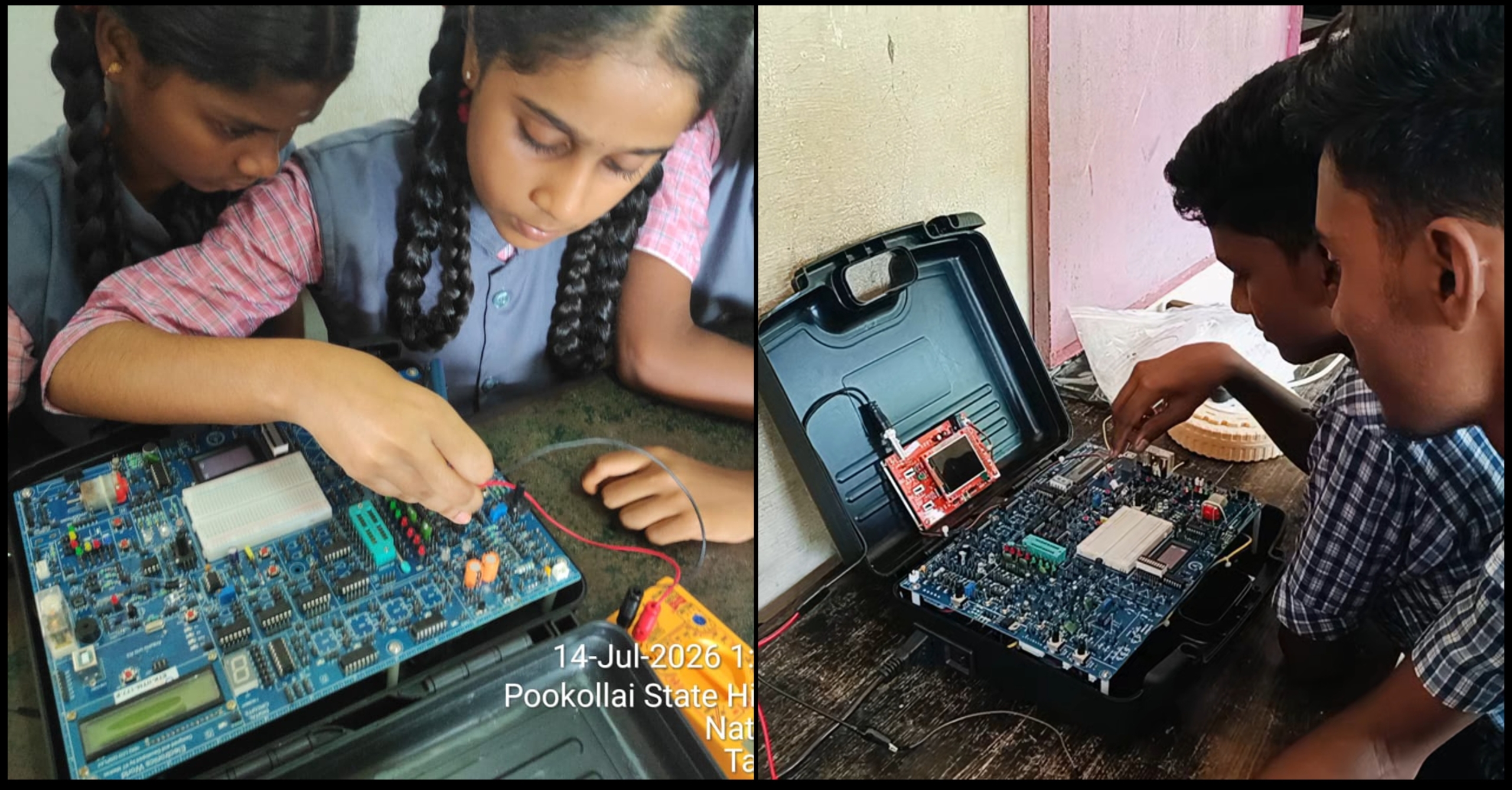
Hands-on Electronics
Between January and February 2026, Electronics and Science Fairs unfolded across 208 government schools in 38 districts of Tamil Nadu. Classrooms moved beyond blackboards and textbooks, making space for working models, circuits, sensors, and students eagerly waiting for their turn to present. For many, it was the first time they had built something with their own hands and stood up to explain it with confidence. Nearly 100 schools hosted a electronics and science fair for the very first time.
The world runs on electronics. Most government school students have never built a circuit.
Electronics, sensors, coding, and IoT are reshaping every industry — from agriculture to healthcare. Yet for students in India’s government schools, these remain abstract textbook topics. They study circuit diagrams without ever connecting a wire. They learn about semiconductors without ever holding one. The gap between what the curriculum describes and what students experience means that the students who most need exposure to technology are the ones least likely to get it. India Literacy Project (ILP)’s electronics program, developed in collaboration with IIT Madras, bridges this gap by putting real components in students’ hands.
Hands-on electronics kits developed with IIT Madras — circuits, sensors, and systems students can build
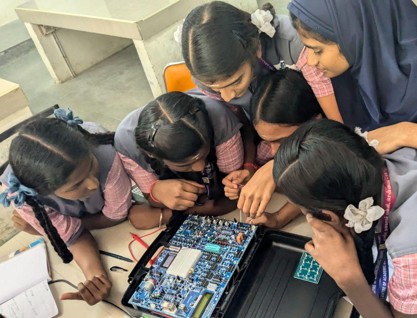
ILP’s Hands-on electronics program brings real electronics into government school classrooms. The electronics kits, developed by IIT Madras, contain components for students to build working circuits, connect sensors, and understand how electronic systems operate. It supports 300+ practical exercises from basic components to programming, for grades 9-12. This isn’t a lecture about electronics — students physically assemble, test, debug, and present their own projects.
The program is delivered in collaboration with the Department of School Education, Government of Tamil Nadu, and includes structured teacher training, student project work, and culminates in electronics fairs where students present their creations.
IIT Madras collaboration
Kits designed under the Anaivarukkum IITM vision — bringing IIT-quality engineering education concepts to government school students who would otherwise never encounter them.
Real components, real projects
The kit has built-in power/oscilloscope/signal generator/meters and supports 300+ experiments (analog, digital, solar, sensors, Arduino). Students work with actual circuits, sensors, LEDs, and electronic components — not simulations.
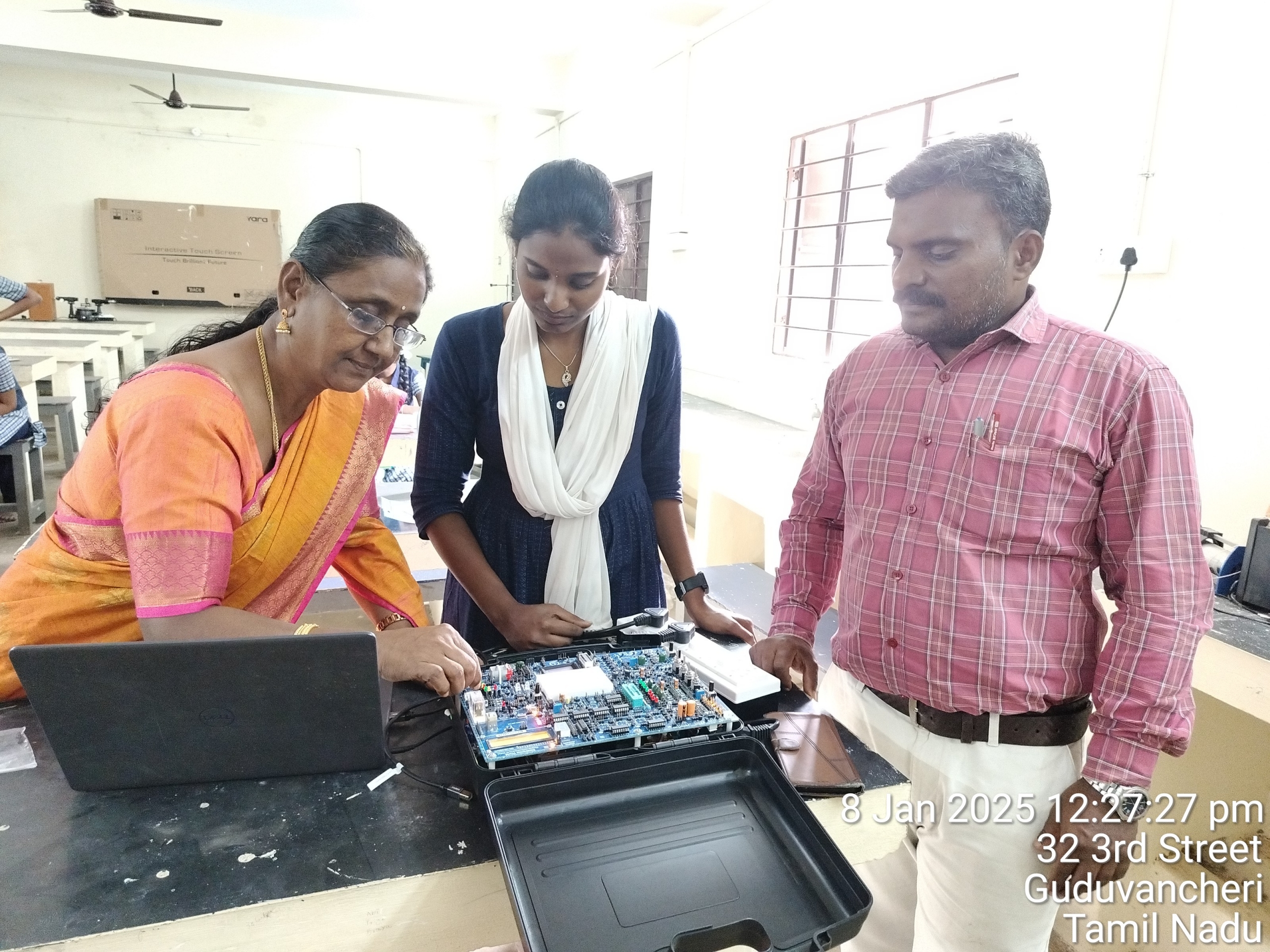
Teacher & facilitator training
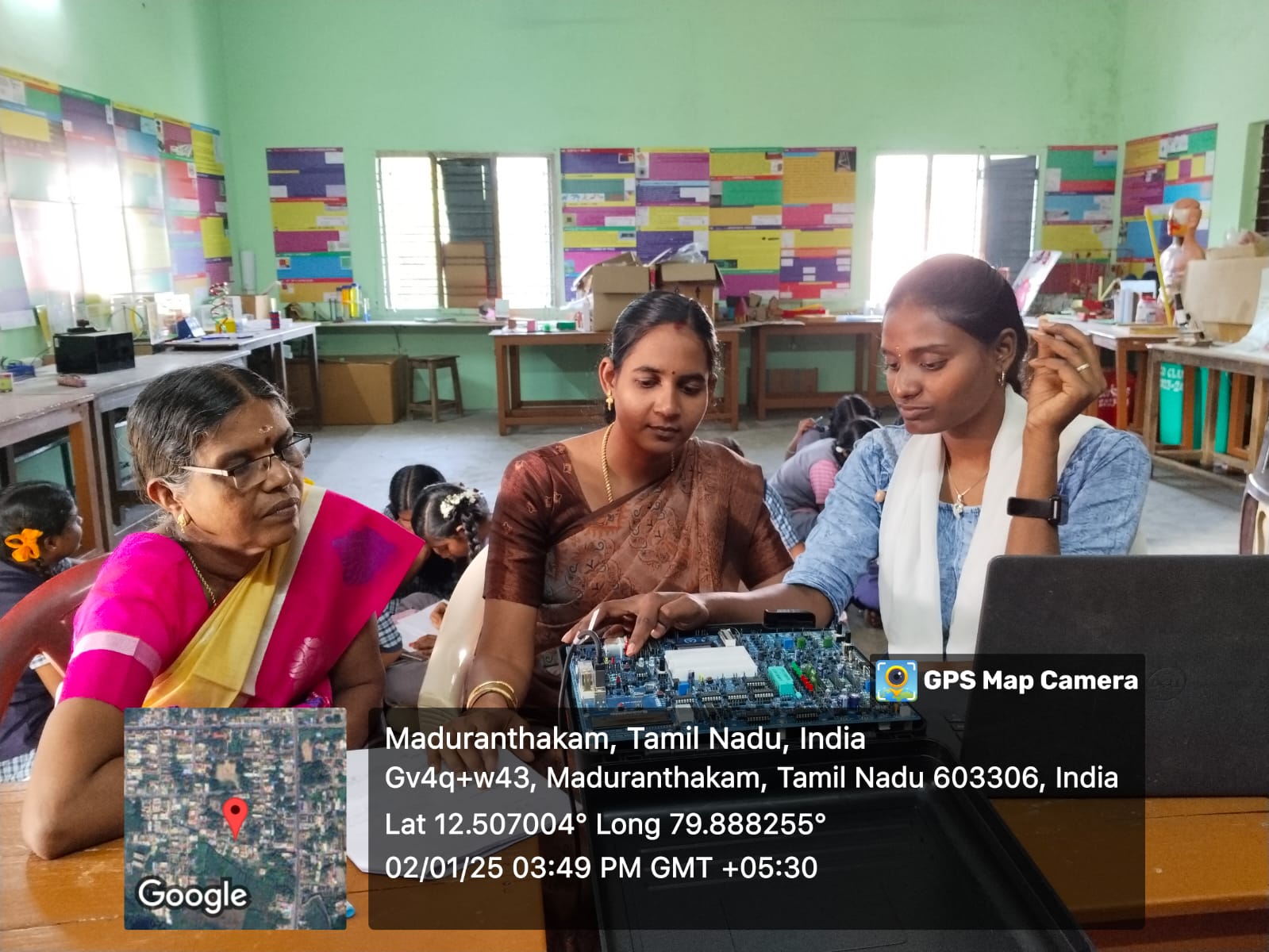
Science teachers receive hands-on training on using the electronics kits. ILP facilitators provide ongoing support in classrooms, helping students debug circuits and refine their projects.
Built for Certification
Students are tracked through baseline and endline assessments aligned to the Tamil Nadu syllabus, with a path to an IIT Madras-accredited certification. They showcase their projects at school and district-level fairs.
From components to confidence
Here’s how the electronics program unfolds in a government school.
Kit deployment & teacher orientation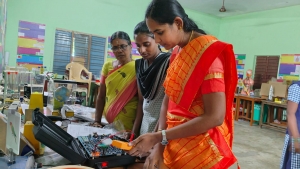

Electronics kits are deployed to selected government schools in collaboration with the state education department and IIT Madras. Teachers receive an orientation on the kit components and project possibilities.
Guided project work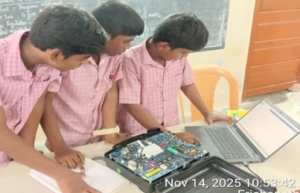

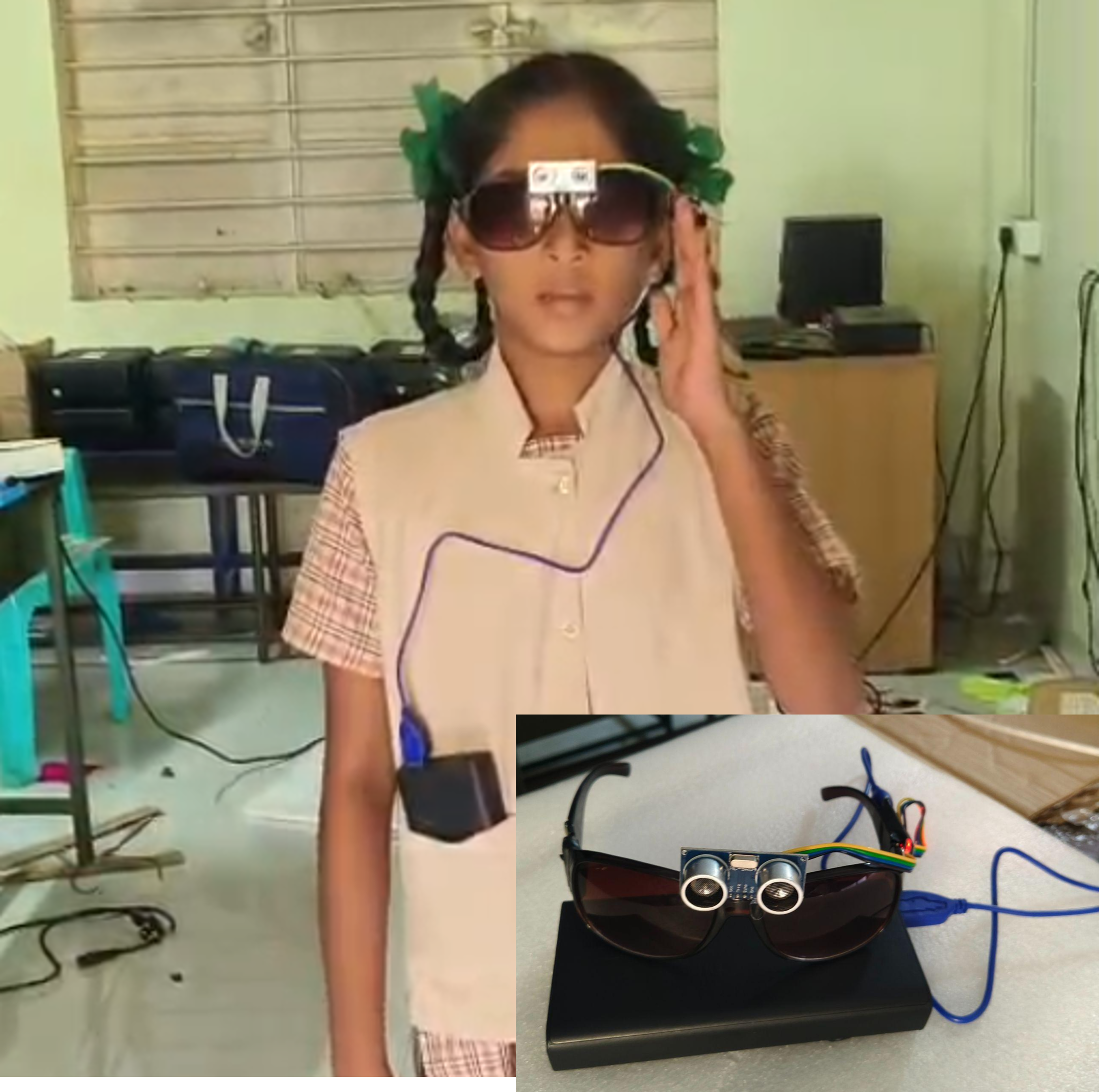
Students work in small groups to assemble circuits, connect sensors, and build working electronic projects. Teachers and ILP facilitators guide them through debugging and refinement. Last-minute adjustments, nervous smiles before testing — then excitement when a model finally works as planned.
Electronics fairs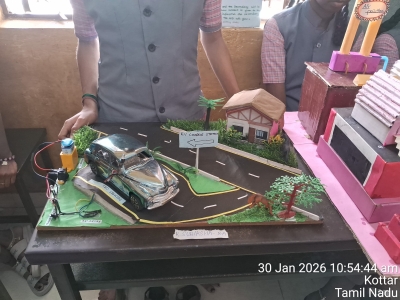

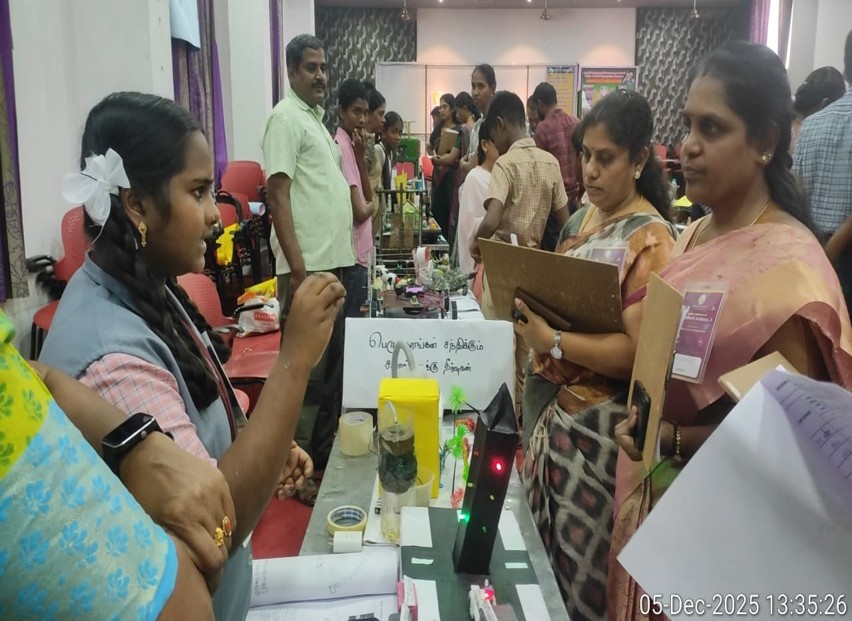
Students present their projects at district-level fairs. By the end, students don’t just walk away with certificates or medals — they carry back something far more meaningful: the confidence that science is not just something to study, but something to question, create, and bring to life.
Building the next generation of makers
Cumulative impact of ILP’s electronics program
electronics kits
The story was never just about science projects. It was about students discovering that learning could move beyond theory. It was about teachers watching quieter children step forward and speak with confidence. It was about schools opening their doors to a completely new experience.
A collaboration with IIT Madras — engineering education for everyone
This program is delivered through IIT Madras’s “Anaivarukkum IITM” vision, in partnership with the Department of School Education, Government of Tamil Nadu — proof that government school students, given the right tools, can build and compete at the highest levels.
Gallery
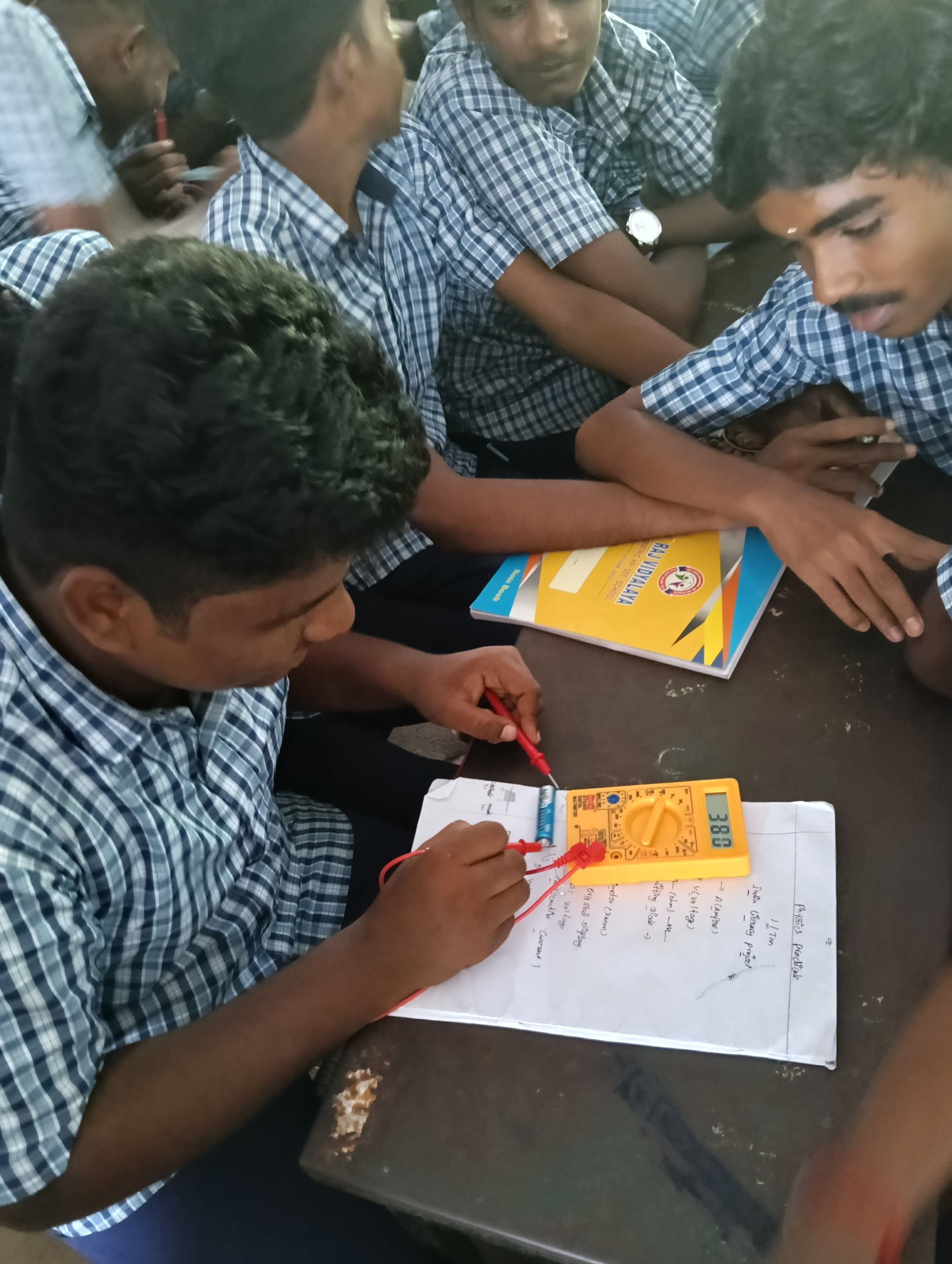
Help a student build something for the first time
Your support brings IIT Madras-designed electronics kits to government school classrooms