
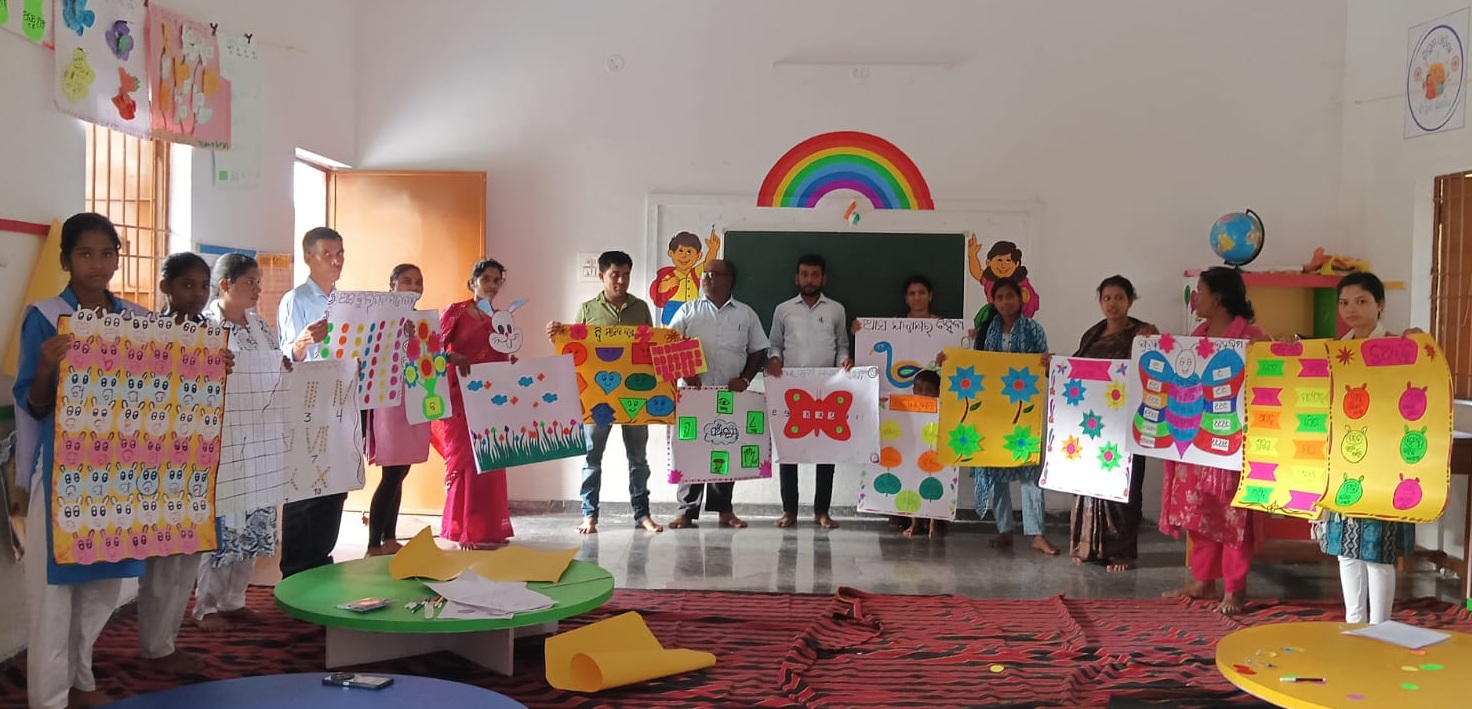
The idea behind Teaching Learning Materials (TLMs) is not new. For centuries, educators have recognised that children learn better when they can 𝘀𝗲𝗲, 𝘁𝗼𝘂𝗰𝗵 𝗮𝗻𝗱 𝘄𝗼𝗿𝗸 𝘄𝗶𝘁𝗵 𝘄𝗵𝗮𝘁 𝘁𝗵𝗲𝘆 𝗮𝗿𝗲 𝗹𝗲𝗮𝗿𝗻𝗶𝗻𝗴.
From Montessori’s hands-on materials to today’s locally made TLMs, the principle remains the same: take learning beyond the words on a page and make it something children can experience.
A number, a shape or a concept can be difficult to understand when it exists only on a page.
Give a child something to 𝗵𝗼𝗹𝗱, 𝗺𝗼𝘃𝗲, 𝗮𝗿𝗿𝗮𝗻𝗴𝗲 𝗮𝗻𝗱 𝗲𝘅𝗽𝗲𝗿𝗶𝗺𝗲𝗻𝘁 𝘄𝗶𝘁𝗵, and the same idea can suddenly come alive.
That is the real value of TLMs. They turn children from 𝗹𝗶𝘀𝘁𝗲𝗻𝗲𝗿𝘀 𝗶𝗻𝘁𝗼 𝗽𝗮𝗿𝘁𝗶𝗰𝗶𝗽𝗮𝗻𝘁𝘀, while giving teachers another way to make difficult concepts easier to understand.
And TLMs don’t have to be expensive. Simple, locally made materials, when created with a clear learning objective, can be remarkably effective.
Because there is a big difference between knowing the answer and understanding why it is the answer.
TLMs help bridge that gap by making learning something children can see, touch and experience.
#TLM #TeachingLearningMaterials #LearningByDoing #FoundationalLearning #EducationForAll