
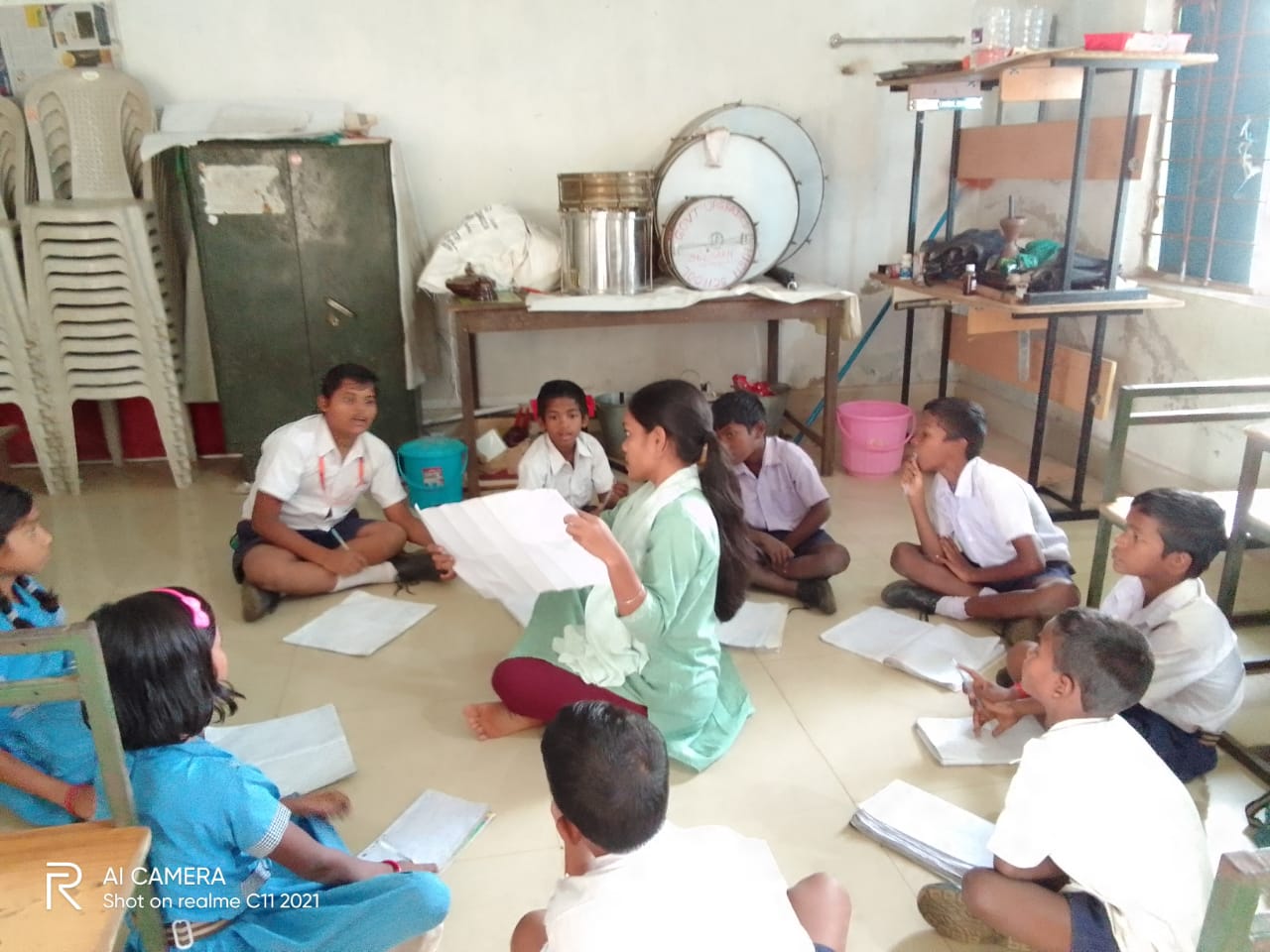
Every child learns differently. So why should every child be taught the same way?
𝗧𝗲𝗮𝗰𝗵𝗶𝗻𝗴 𝗮𝘁 𝘁𝗵𝗲 𝗥𝗶𝗴𝗵𝘁 𝗟𝗲𝘃𝗲𝗹 (𝗧𝗮𝗥𝗟), an evidence-based approach developed by Pratham Education Foundation, recognizes that children in the same grade may be at very different stages of learning.
ILP, along with several other NGOs working in the education sector, has been using this methodology to address learning gaps and strengthen children’s foundational reading and numeracy skills.
The approach begins by
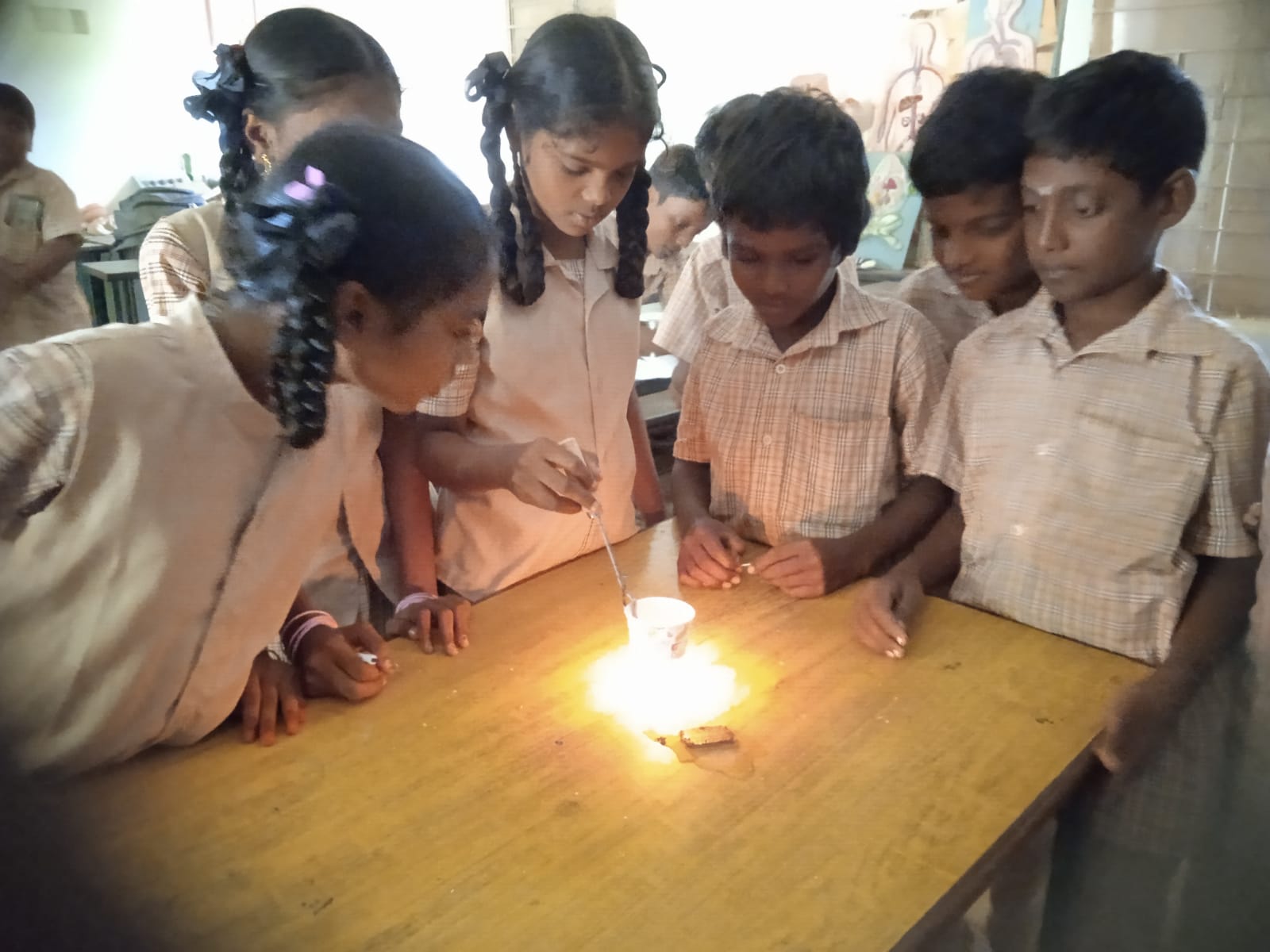
ILP’s Science Kit helps students discover science in everyday life
ILP’s Science Kits bring textbook concepts to life, helping students understand how scientific principles work and how they can be applied to real life situations.
One such example is a Grade 8 experiment on Combustion and Flame, where students explored a curious question: Can a paper cup filled with water be held over a flame without catching fire?
Students discovered that water absorbs heat from the flame, preventing
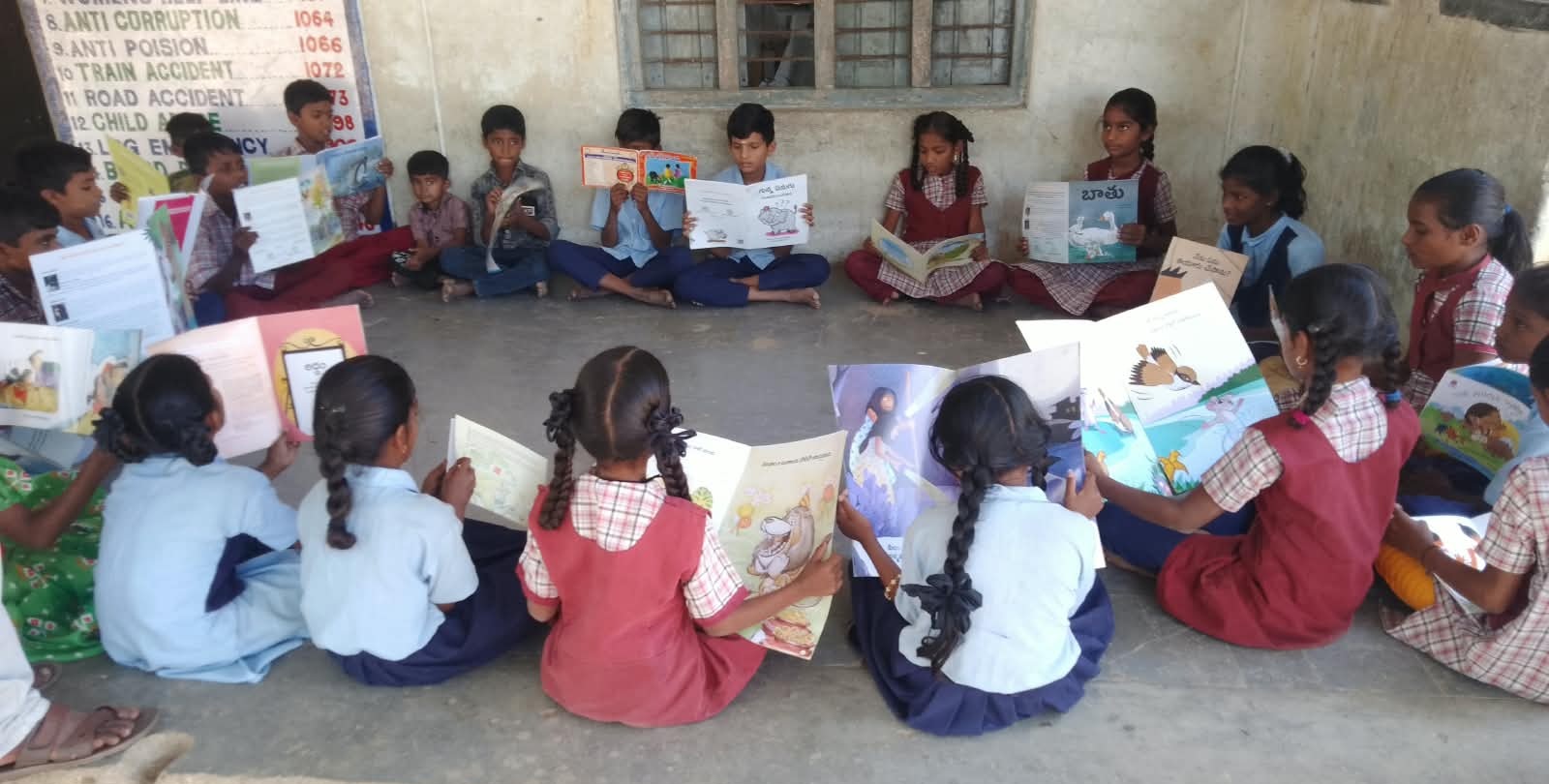
One hour, 82 books: Encouraging young readers on Children’s Day
ILP’s child-friendly libraries give many children across government schools, probably their first opportunity to browse through books, choose stories that interest them and read beyond their school textbooks. By making books accessible and reading enjoyable, these libraries help children develop an interest in reading that can grow into a lasting habit.
This year on Children’s Day, ILP’s NGO partner, RDS from Wanaparthy, Telangana, took this spirit of
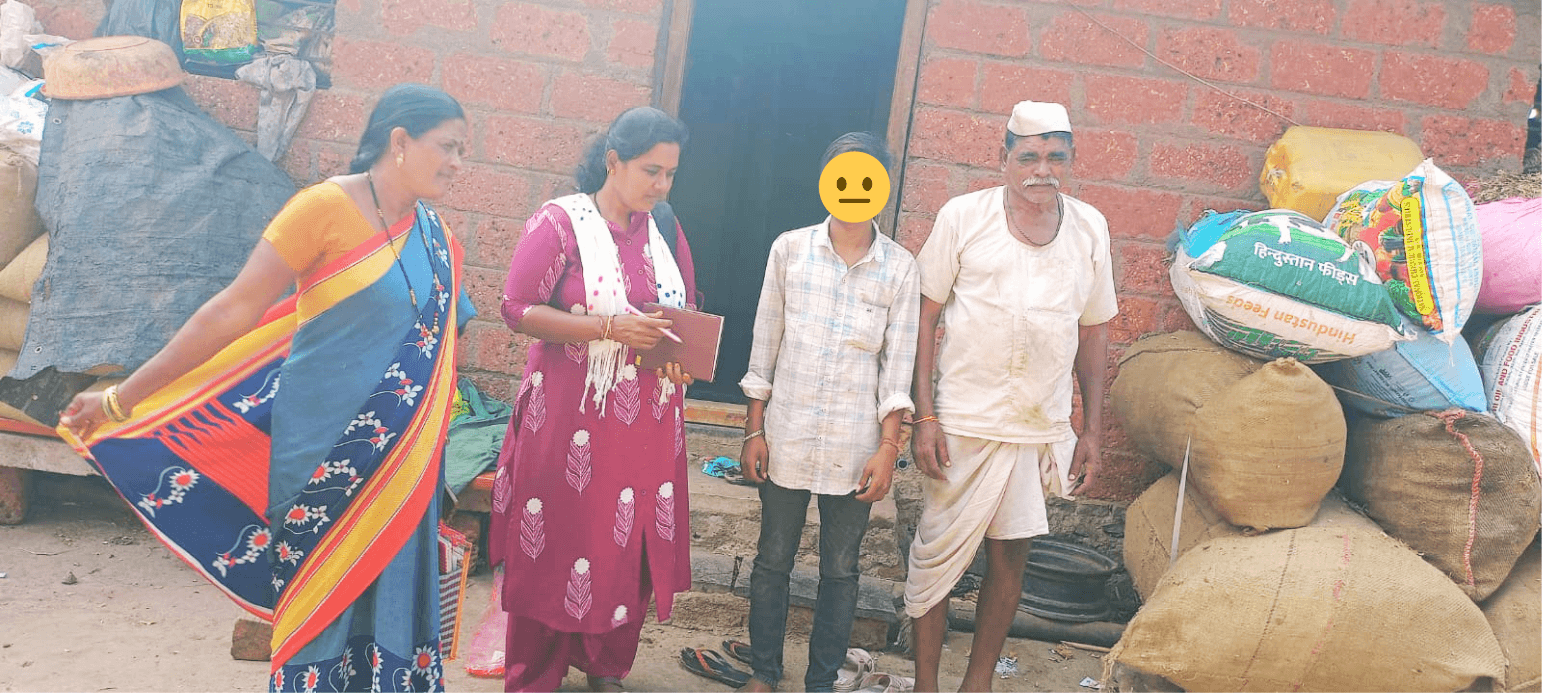
Breaking the cycle of child labor through education
Kudos to our NGO partner SNEHA, Karnataka, for rescuing a child engaged in child labor and counselling the family on the importance of education and regular school attendance.
Such interventions are important because when a child is made to work instead of going to school, the loss goes beyond those years of education. The cycle of poverty can continue into the next generation, leaving children with fewer
ILP’s digital learning initiative: Helping every child find their strength
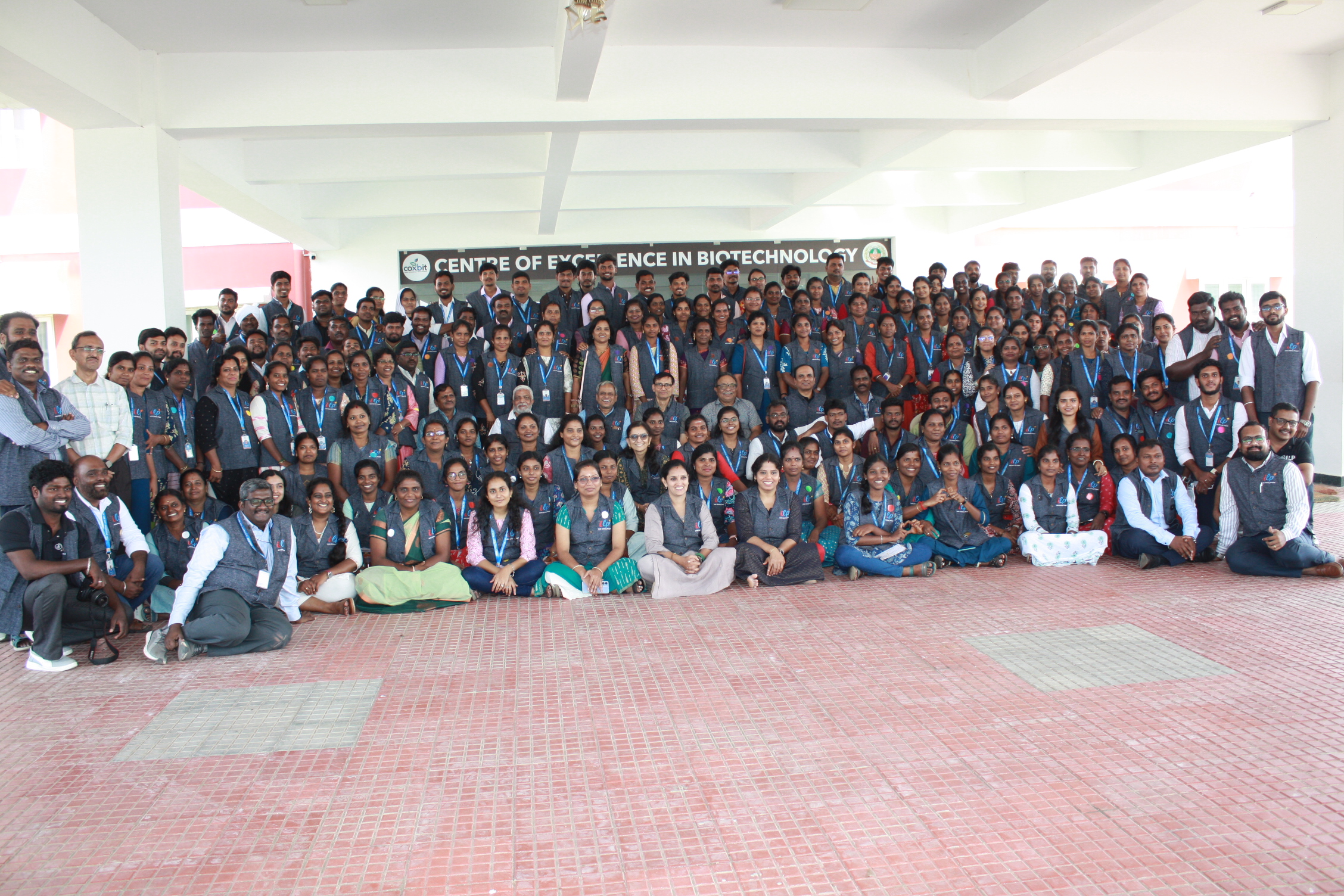
𝗟𝗲𝗮𝗿𝗻𝗶𝗻𝗴 𝗧𝗼𝗴𝗲𝘁𝗵𝗲𝗿, 𝗚𝗿𝗼𝘄𝗶𝗻𝗴 𝗧𝗼𝗴𝗲𝘁𝗵𝗲𝗿: 𝗜𝗟𝗣 𝗧𝗮𝗺𝗶𝗹 𝗡𝗮𝗱𝘂 𝗧𝗲𝗮𝗺 𝗠𝗲𝗲𝘁 𝟮𝟬𝟮𝟲
Learning and growth have been at the heart of ILP’s 16-year journey in Tamil Nadu. Today, its work reaches over 6 lakh students across 1,218 schools. Building on this progress, 170+ team members from 38 districts came together in Coimbatore for two days of shared learning, fresh ideas and valuable insights. The roots of this work, however,
ILP’s digital learning initiative: Helping every child find their strength
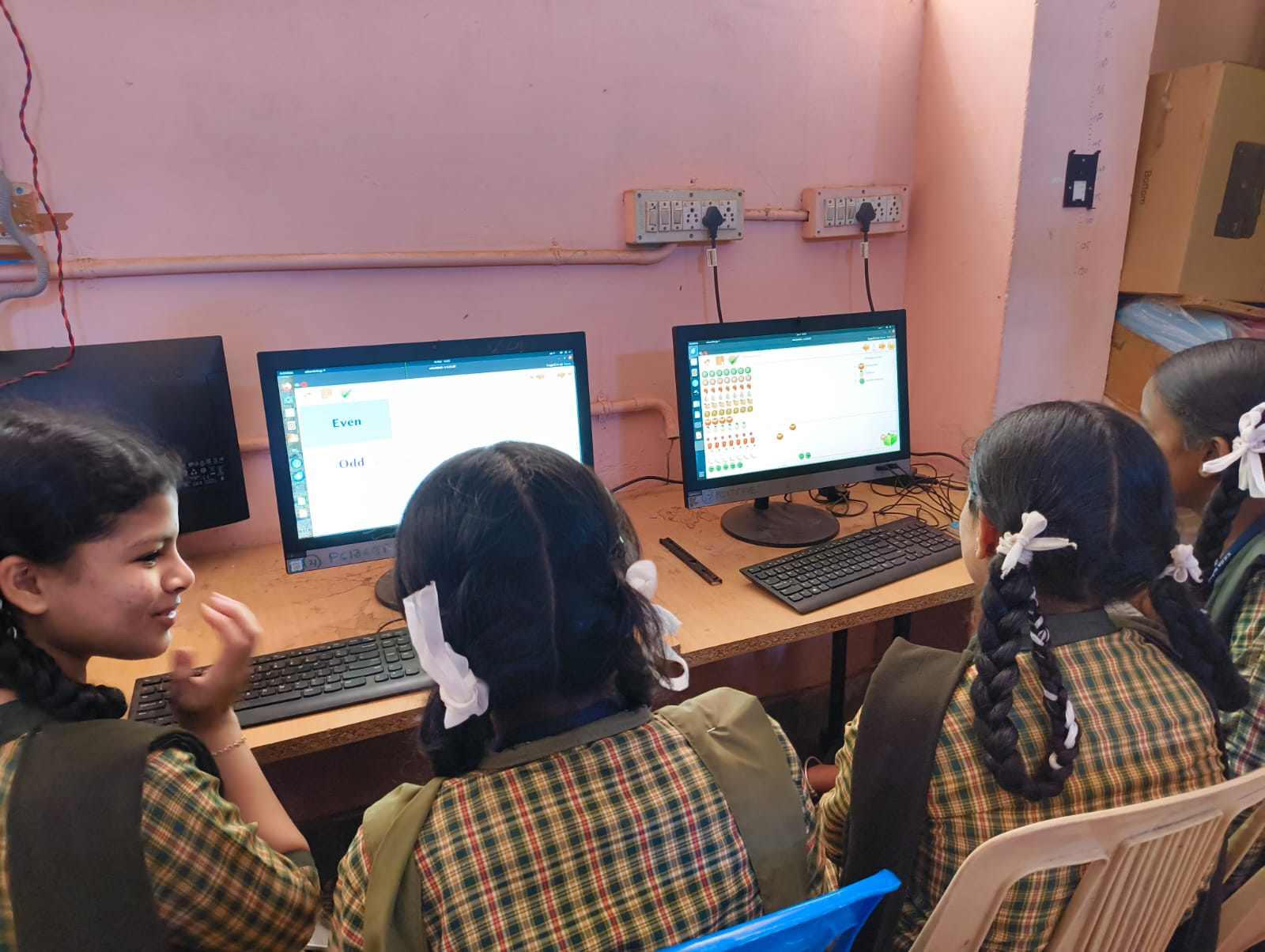
During a visit to a government high school in Karnataka, an ILP ICT Facilitator noticed Sharanya (name changed), a Child With Special Needs (CWSN) who rarely participated in classroom activities. Her teachers, too, observed that she remained largely disengaged.
ILP’s ICT Facilitator decided to try a different approach. He introduced her to drawing and painting on Ubuntu and gradually moved to basic Mathematics through pictorial activities on
Cabin Crew Member. An Income Tax Officer. Meet Gayathri, the Class 8 Dreamer
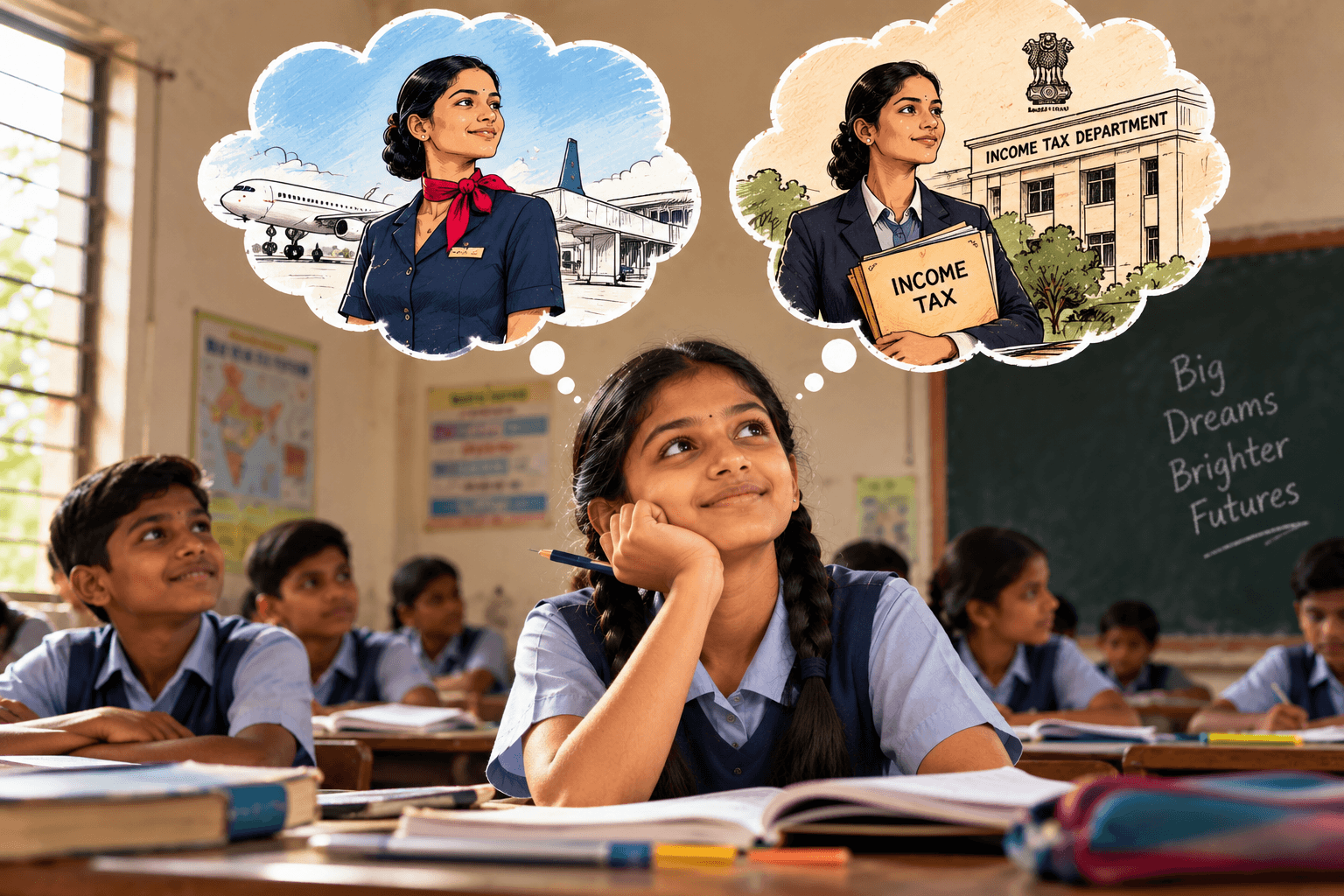
A cabin crew member. An Income Tax Officer. Two very different careers, both on Gayathri’s mind while she’s still in Class 8.
A student at a government school in Bidar, Karnataka, Gayathri has career aspirations of her own. But what does it take to get there? What should she study? Which exams will she need to take?
Through ILP’s Career Guidance programme, she began finding answers to these
What if a child’s learning gap is really a language gap?
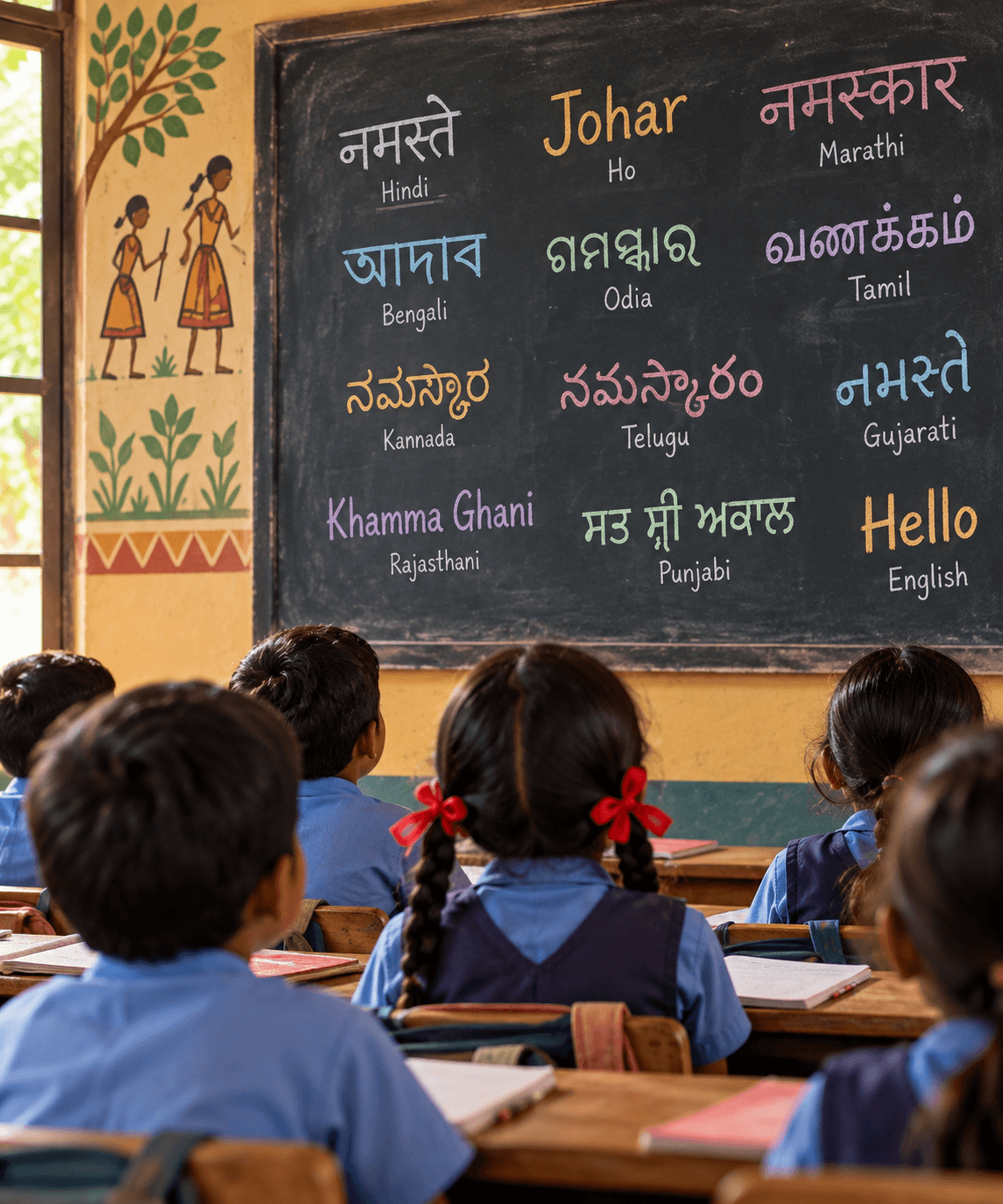
At ILP, foundational learning is at the heart of our work. And one of the first things that shapes how well a child learns is the language they’re taught in.
This is a real challenge in Jharkhand’s tribal communities, where many children start school in a language they don’t speak at home. When lessons are in an unfamiliar language, even basic reading and maths become harder to
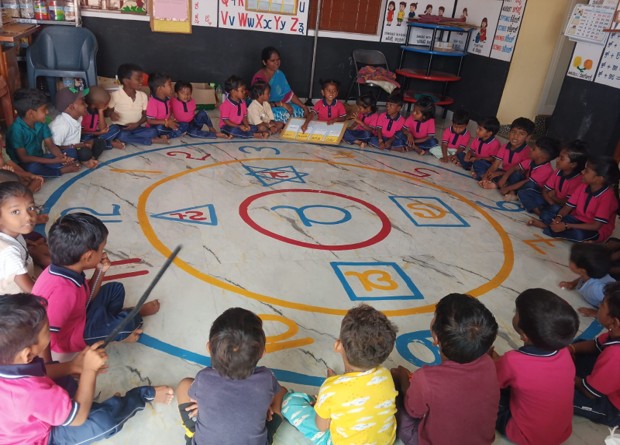
From One Anganwadi To Many: Taking Impactful Practices Forward
The early years shape how children experience learning. In Chitradurga, ILP’s Early Childhood Care and Education (ECCE) programme under the Karnataka Model School Pathways Programme (KMSPP) is transforming 70 Anganwadi Centres (AWCs) into vibrant, enabling spaces. By introducing child-friendly artwork, Building as Learning Aid (BaLA) elements, upgraded WASH facilities, and training teachers to use new Teaching-Learning Materials (TLMs), we are making early education far more engaging
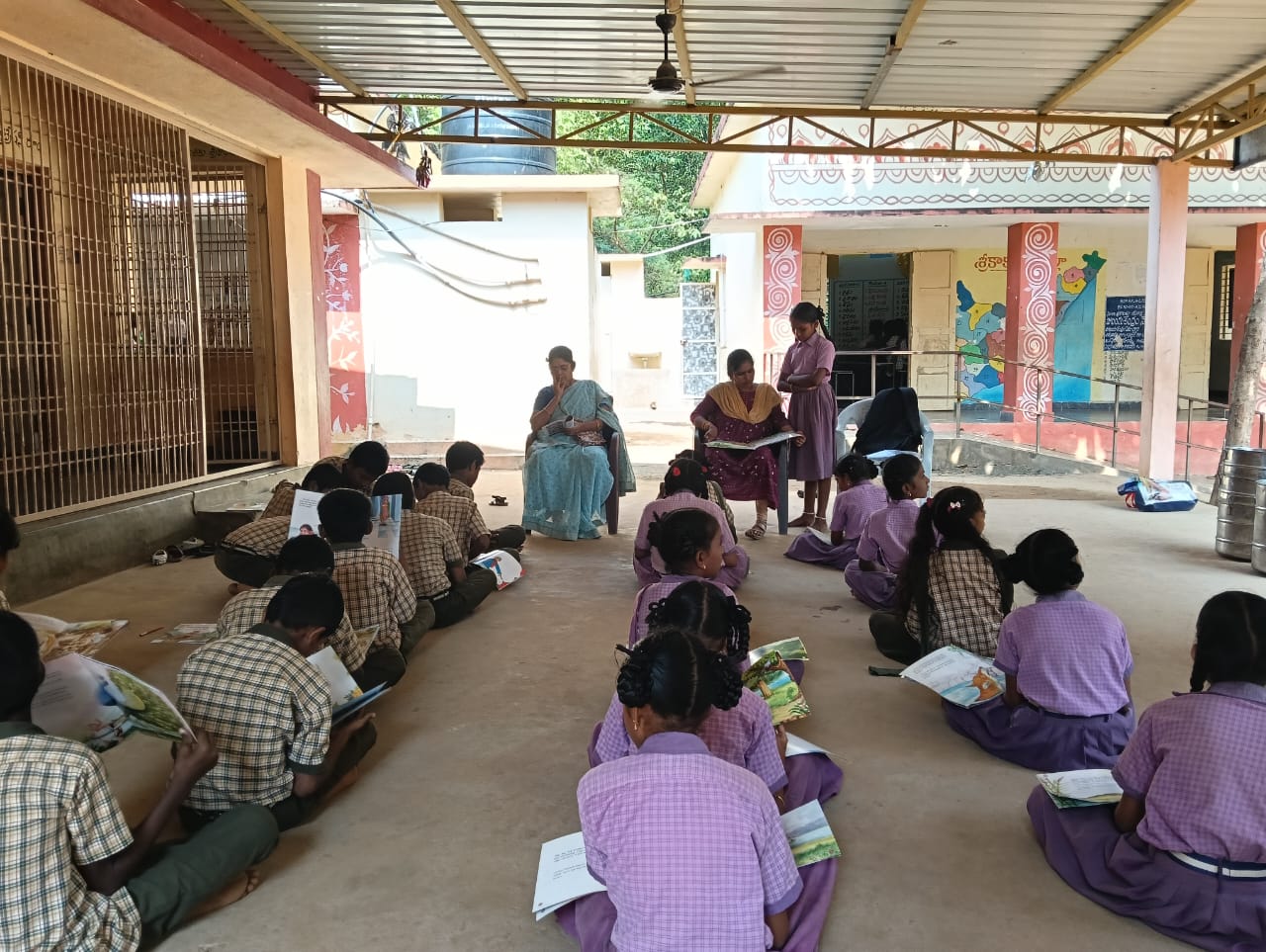
Boravanipeta’s Award-Winning Education Journey: 100% Enrolment, 100% Retention, Zero Dropout
What does it take to make a school or Anganwadi a place where children can learn, explore & feel encouraged to participate?
In Boravanipeta Gram Panchayat in Srikakulam district of Andhra Pradesh, this question shaped the work across two villages, Boravanipeta and Thallavalasa, where one Upper Primary School, one Primary School and two Anganwadi Centres serve children in their early years and school years.
Through our partnership with
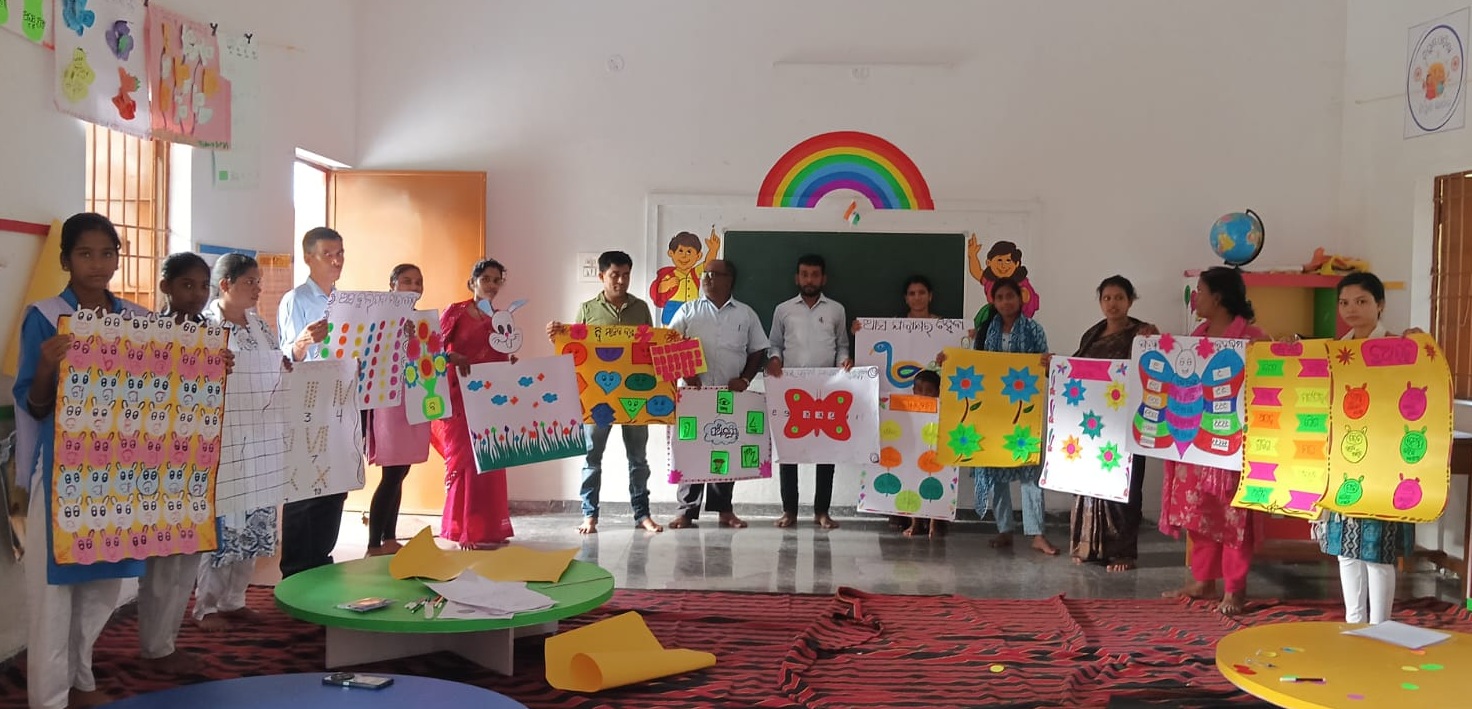
The magic of TLMs: From hearing to experiencing, from experiencing to learning
The idea behind Teaching Learning Materials (TLMs) is not new. For centuries, educators have recognised that children learn better when they can 𝘀𝗲𝗲, 𝘁𝗼𝘂𝗰𝗵 𝗮𝗻𝗱 𝘄𝗼𝗿𝗸 𝘄𝗶𝘁𝗵 𝘄𝗵𝗮𝘁 𝘁𝗵𝗲𝘆 𝗮𝗿𝗲 𝗹𝗲𝗮𝗿𝗻𝗶𝗻𝗴.
From Montessori’s hands-on materials to today’s locally made TLMs, the principle remains the same: take learning beyond the words on a page and make it something children can experience.
A number, a shape or a concept can
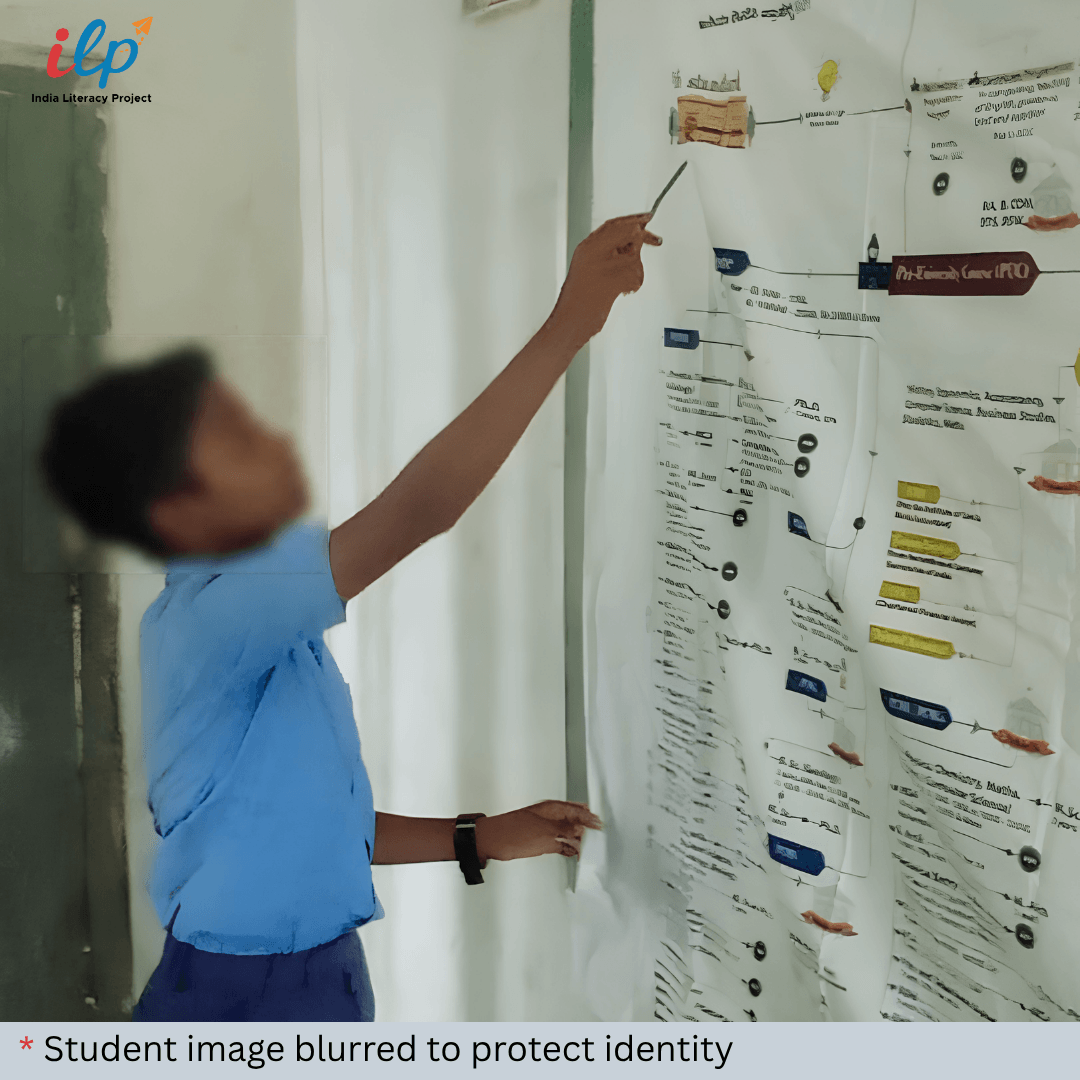
Chandra didn’t have the answers, but he started asking the right questions
At Government High School Kalaburgi, Karnataka, Class 9 student Chandra was still figuring out what he wanted to do in the future. When his teacher asked him, he said, “I have many dreams for my future, but I’m not sure what I really want to do.”
That question marked the beginning of his one-year journey through career guidance.
𝗦𝘁𝗮𝗿𝘁𝗶𝗻𝗴 𝘄𝗶𝘁𝗵 𝘀𝗲𝗹𝗳-𝗱𝗶𝘀𝗰𝗼𝘃𝗲𝗿𝘆
Using the Career Guidance Workbook, students worked through